Higher education / UX research & service design / 2025
A clearer path through academic petitions.
Helping Laurier students find the right petition form, understand what to submit, and stay informed about their request.
- Organization
- Wilfrid Laurier University
- My role
- UX Researcher & Designer
- Methods
- User interviews, usability testing, competitive analysis
- Year
- 2025
My contribution
My work on the project.
- Conducted competitive analysis, usability testing, and moderated interviews.
- Used the research to design a guided petition flow and high-fidelity prototypes.
- Designed form selection, submission confirmation, and status-update concepts.
Who I worked with
Worked on the Laurier petition experience with the university client; research included students with and without prior petition experience.
The outcome
Delivered a working prototype of a guided petition process. Testing recorded 32 failed tasks and 6 passed tasks in the original experience; I have not measured the redesign’s impact.
The problem
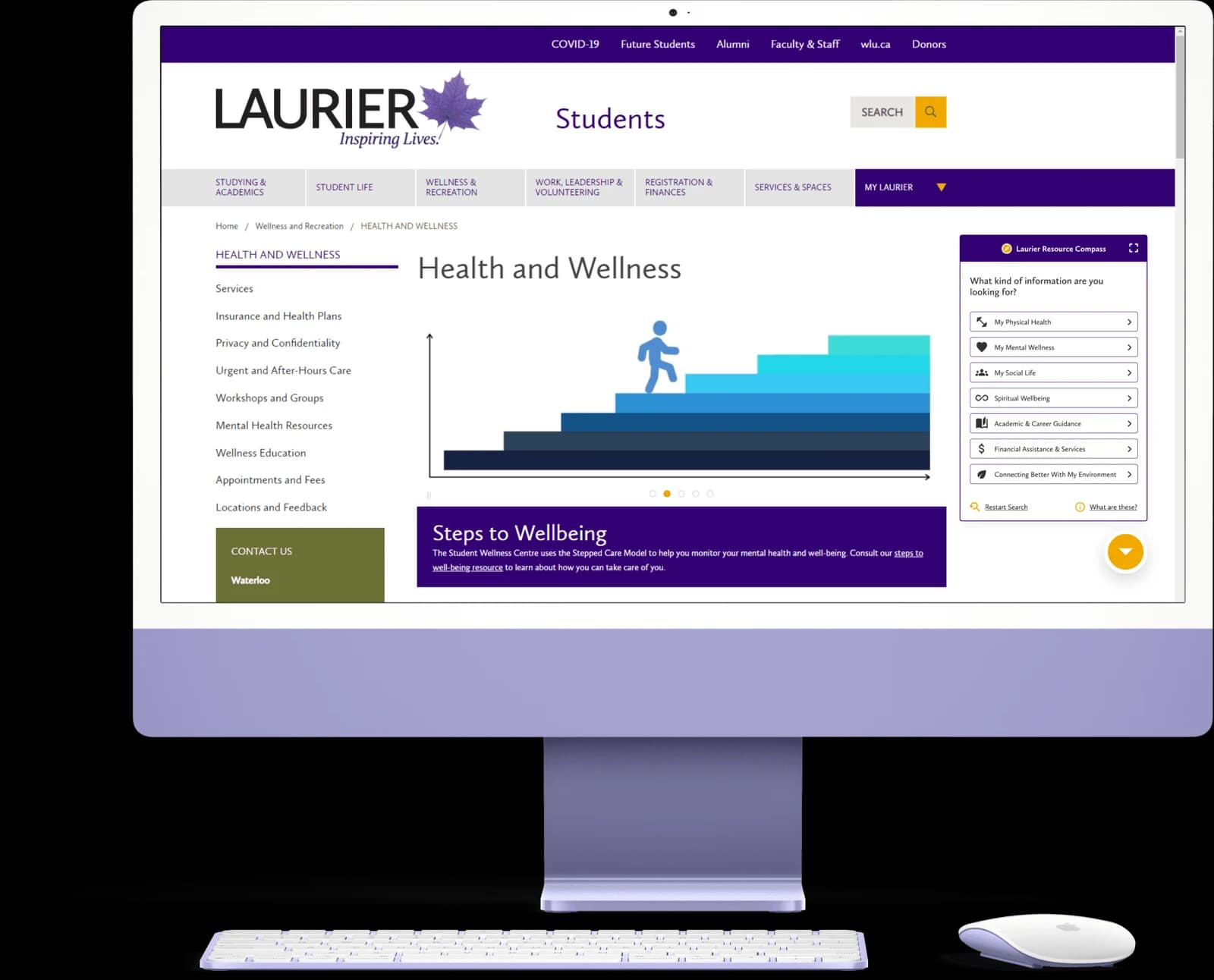
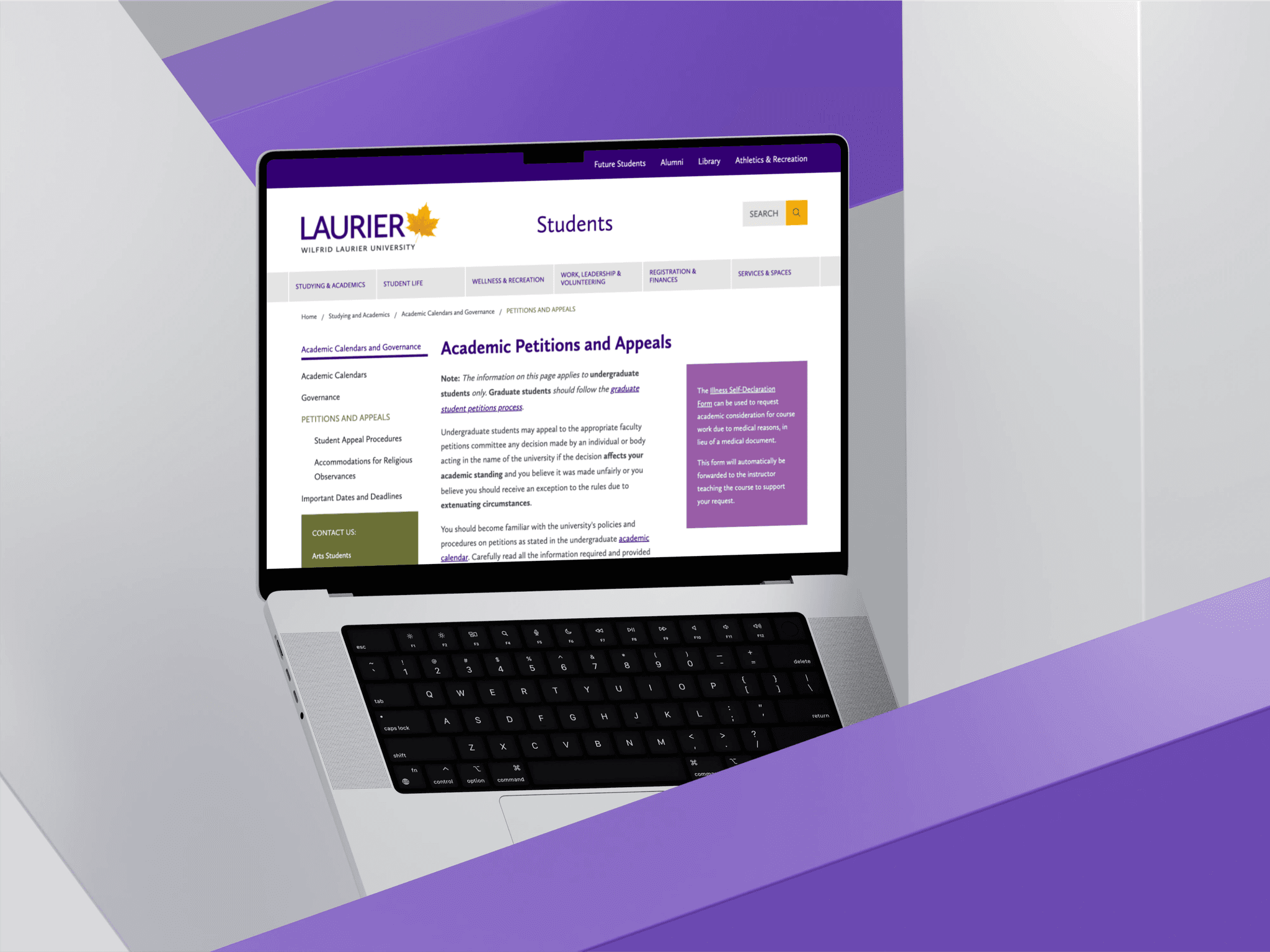
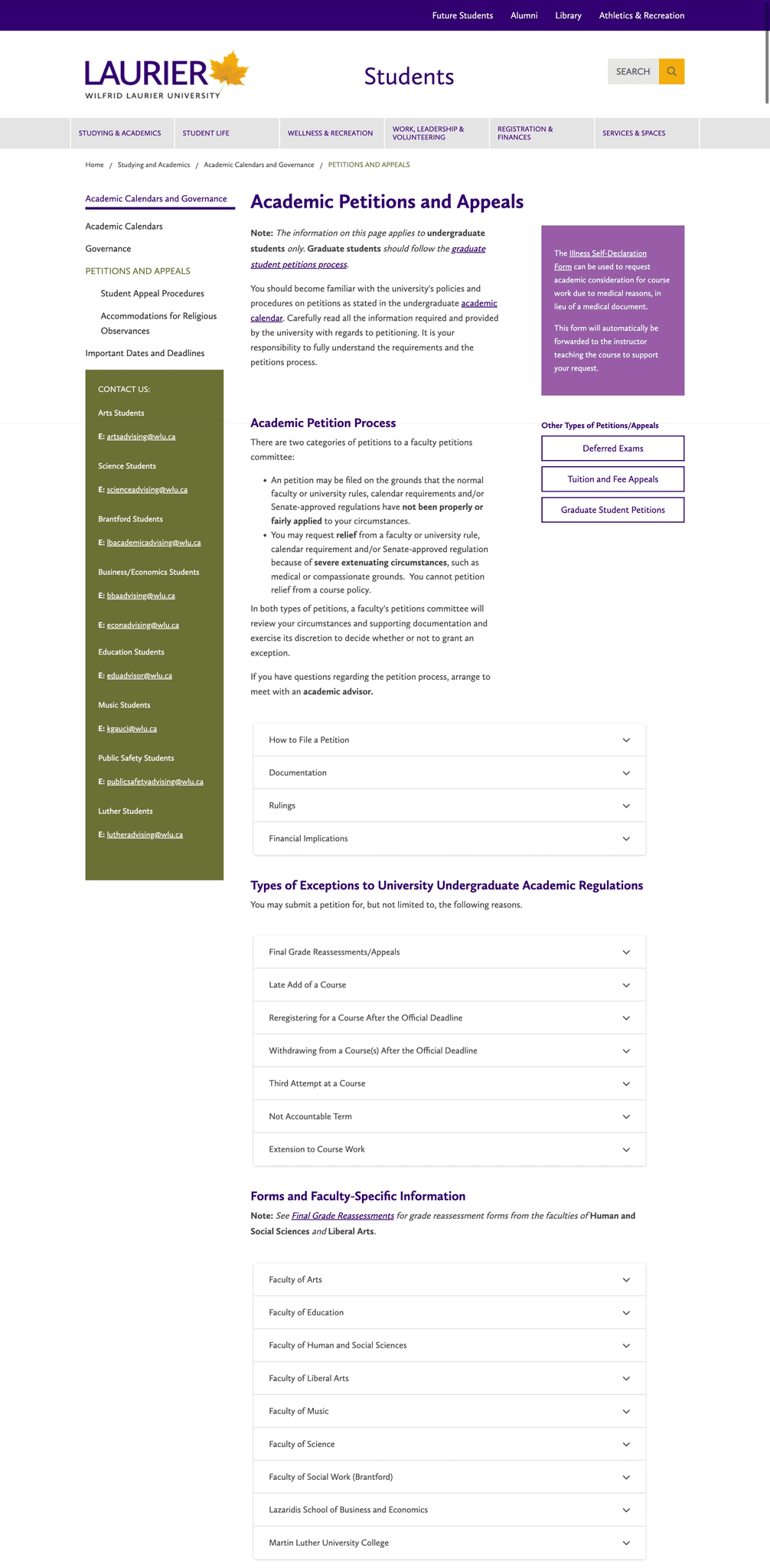
Students faced 72 hyperlinks, 20 dropdowns, and dozens of forms while trying to submit an academic petition. Students struggled to find where to start and which documents they needed.
After submitting, students could wait up to six weeks without clear status updates. Choosing the wrong form or submitting incomplete information could lead to delays and misrouted petitions.
My role and the goal
As a UX researcher, I conducted competitive analysis, usability testing, and moderated interviews. As a designer, I translated those findings into high-fidelity prototypes.
We wanted students to understand the requirements, submit requests more easily, and check their status. The process also needed to respect academic integrity and equity. The experience also needed to help students understand when petitioning was not the appropriate next step.

Competitive research
I analyzed existing petition processes to identify adaptable approaches.
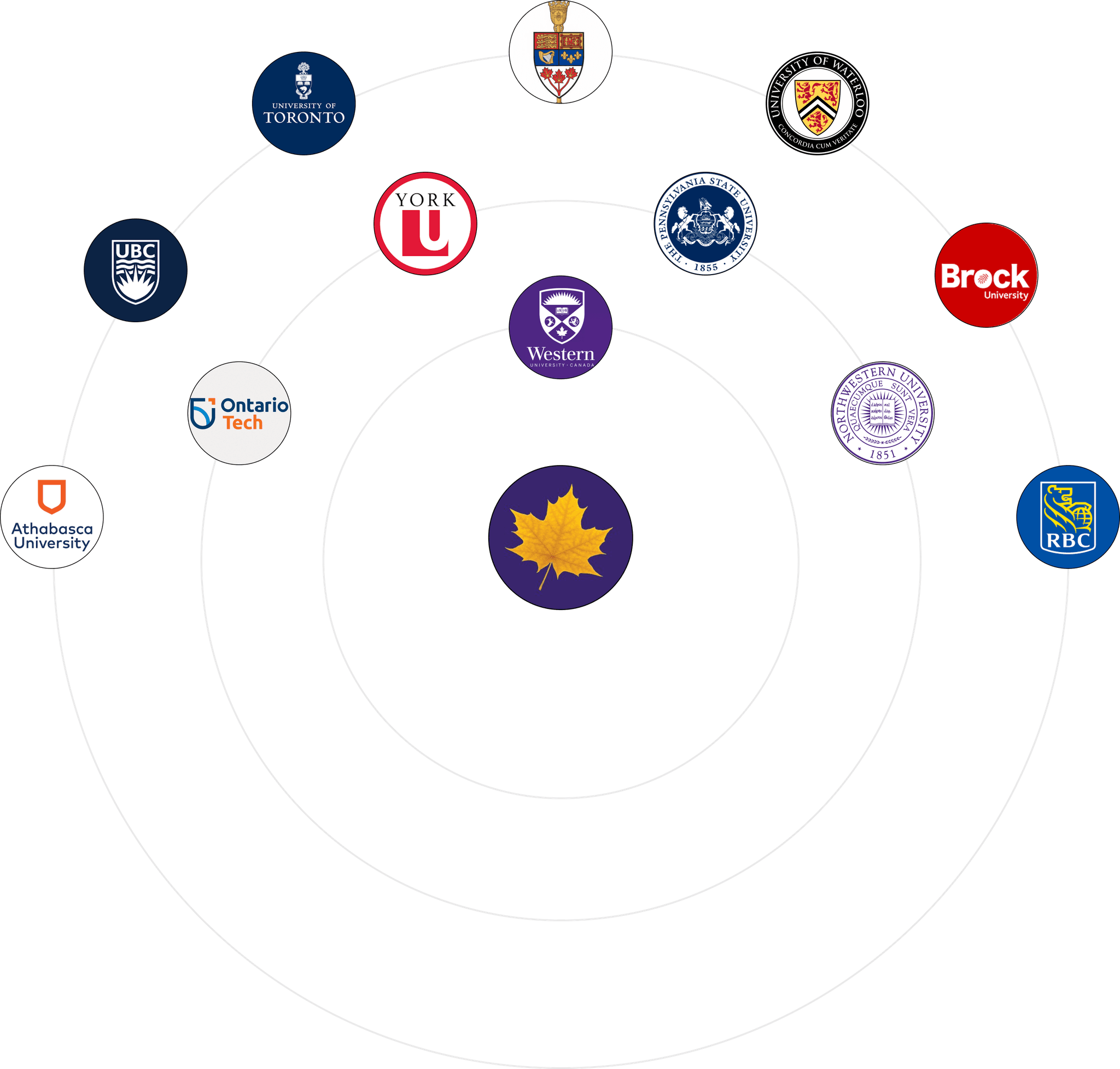
I examined petition processes at other universities and organizations to identify approaches we could adapt within Laurier’s existing systems.
Status trackers helped address uncertainty. Many petition pages still emphasized lengthy information rather than clear actions, leaving an opportunity for a more guided experience.
Testing the existing experience
We used a two-pronged research approach: usability testing with students who had never submitted a petition, and interviews with students who had.
Across 11 usability-test participants, the original study recorded 32 failed tasks and 6 passed tasks. Students struggled with navigation, unclear dropdown labels, and finding the appropriate form.
Interviews revealed frustration with long waits and missing updates. Some students believed they had submitted correctly before discovering errors, and others were unsure whether to submit to their home faculty or the faculty responsible for the course.
- Make the starting point and form choices clear.
- Use language students understand.
- Explain what happens after submission.
Step-by-step guidance
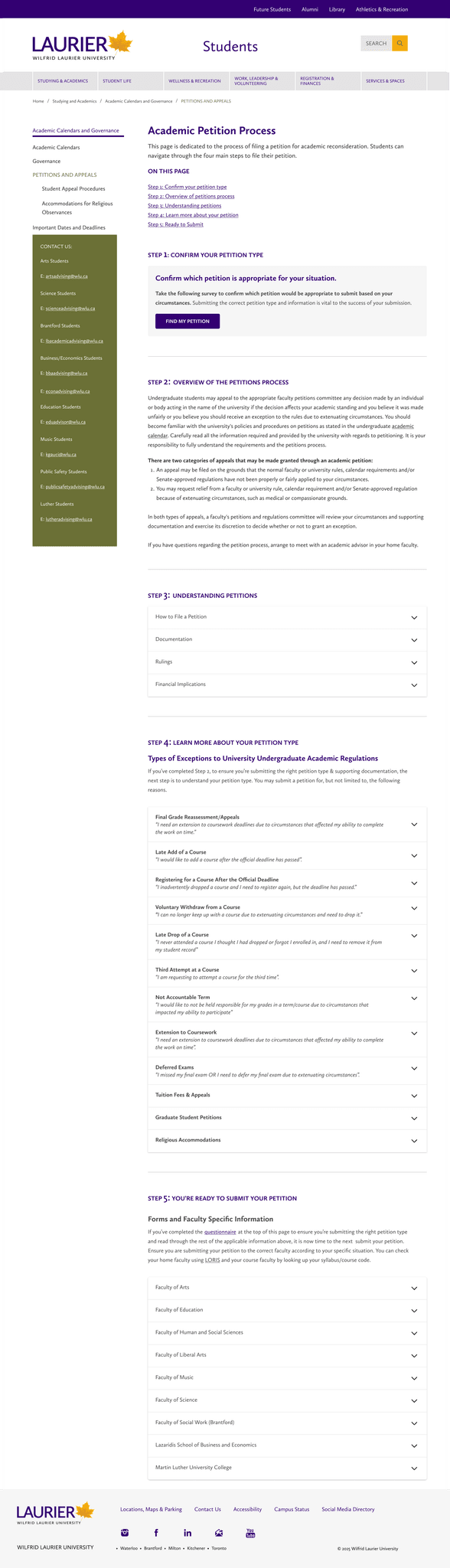
I redesigned the information architecture and guided starting point.
I restructured the page into a guided process with clearer information architecture. A ‘Find my petition’ action helps students identify the right form, and consistent context across the questionnaire and dropdowns reduces confusion around unfamiliar terms.
Smart form selection
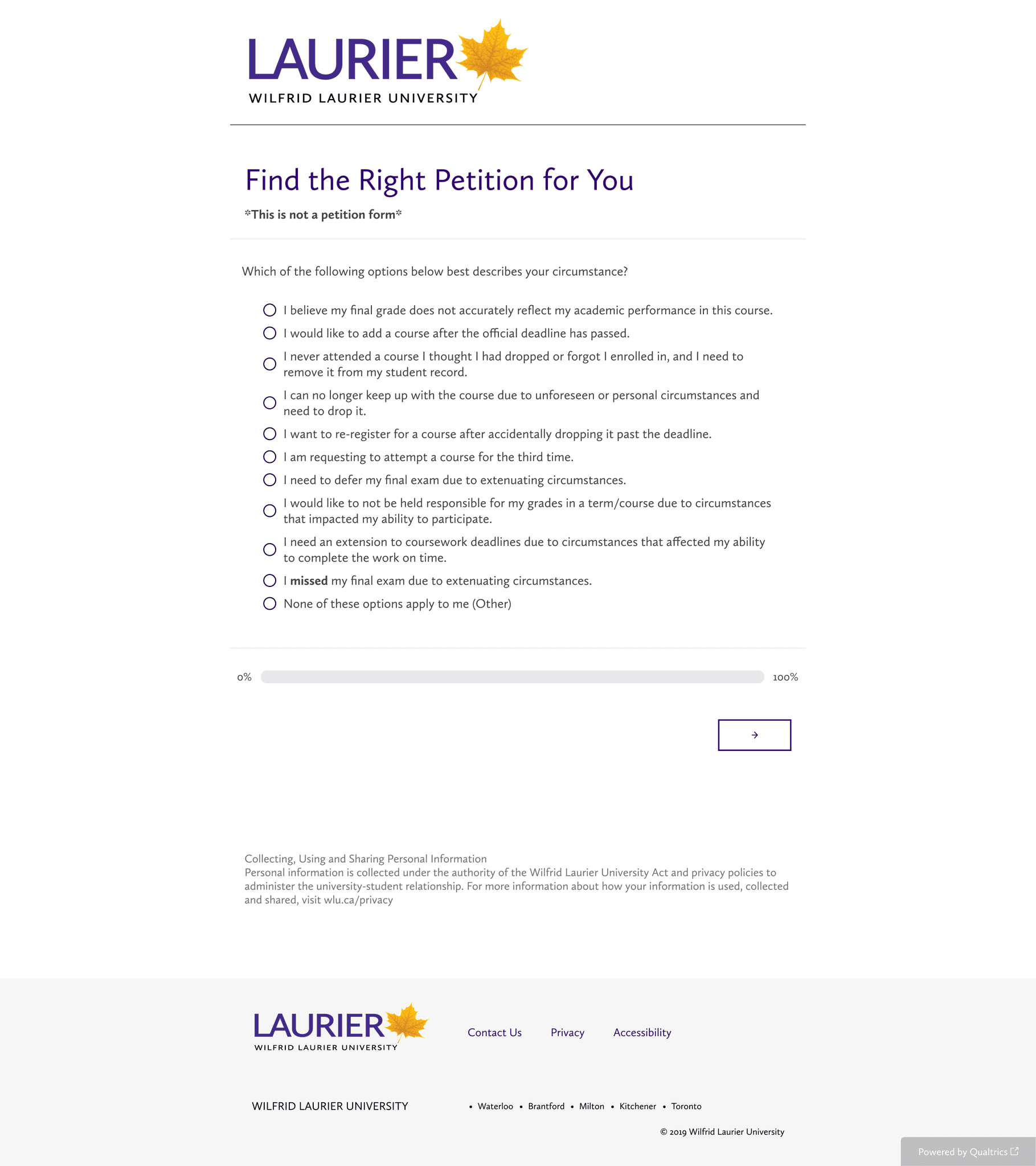
I designed the questionnaire that guides students to an appropriate form.
A short survey guides students to the correct petition form based on their situation, to help students avoid choosing the wrong form or sending their request to the wrong place.
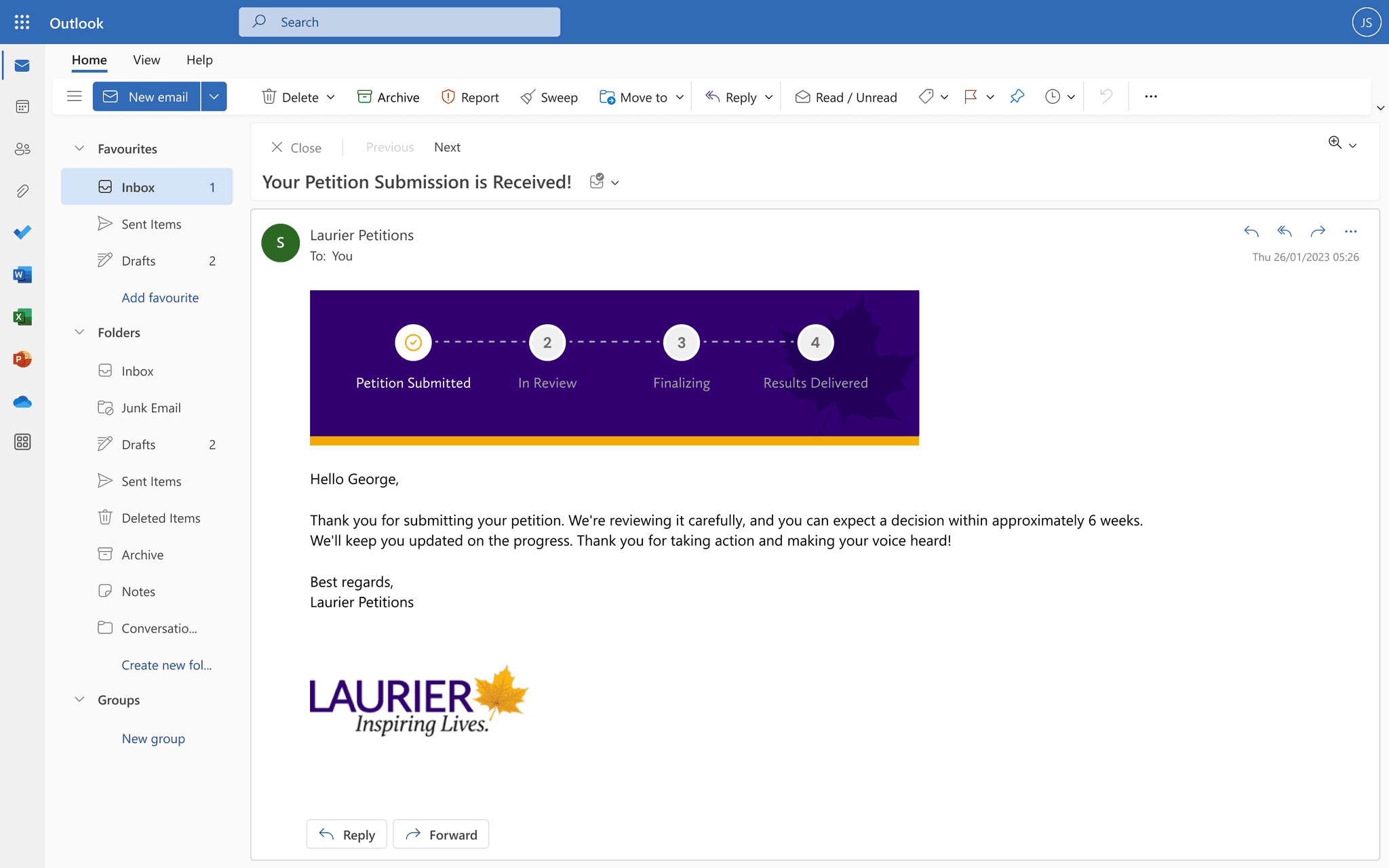
Updates after submission
I designed clearer confirmation and status-update concepts.
An improved submission email and automated email status tracking give students clearer feedback about their petition’s progress.
The working prototype was designed around the client’s existing systems so the proposed experience could be implemented without additional platform costs.
What the research changed
The usability results and interviews both pointed to confusing navigation and too little communication after submission. The design responds with a clearer sequence, guided form selection, and status information after submission.
The prototype was designed around existing university systems to avoid introducing a new platform. I still need to test task success after the redesign and follow the process after launch to learn whether it reduces errors and uncertainty.
Keep exploring